Author
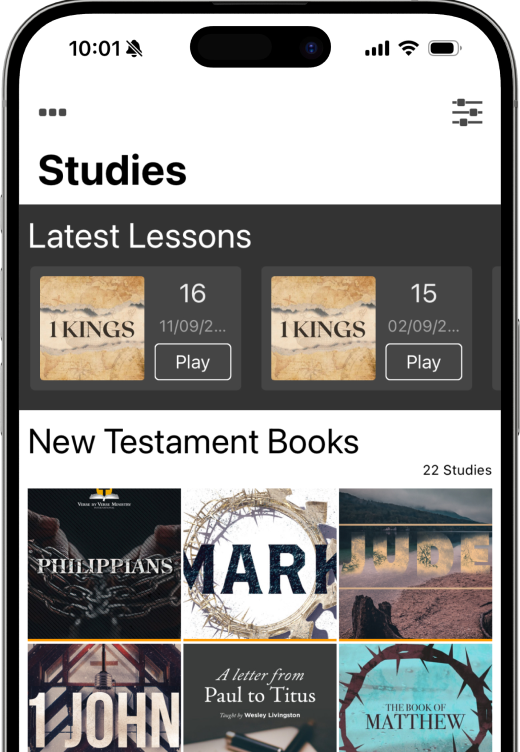
VBVMI StaffAccess all of our teaching materials through our smartphone apps conveniently and quickly.
Author
VBVMI StaffIn his Hebrews study, Pastor Armstrong maintains that once a person is saved by faith in Jesus Christ he is forever saved. He cannot lose his salvation though he might lose his eternal rewards. However in Chapter 10 the writer to the Hebrews makes it clear that anyone who continually sins will lose his salvation. There is no further sacrifice that can save him. Which of the two positions is correct?
The passage you mention from Hebrews 10 is not speaking of a loss of salvation. The writer is reminding the reader of how seriously the Lord takes our relationship with Him:
The person in view here has been sanctified, so they are in the family of God by faith. Nevertheless, this person goes on sinning willfully, and therefore they place themselves in jeopardy of God's judgment. The judgment isn't a question of Heaven or hell but rather a judgment over rewards. The writer's reference to fire in v.27 is an allusion to the judgment seat of Christ, similar to Paul's words in 1 Corinthians 3:
Believers should recognize that our judgment moment before God can be a terrifying thing if we arrive having lived a life of willful disobedience. It's precisely because we are in covenant with God that this moment is so serious. Notice the writer says the Lord will judge "His people" in v.30, which refers to the judgment seat of Christ for believers.
So this passage isn't suggesting that a believer could forfeit, lose or otherwise undo their salvation. It's a reminder that our obligations to serve God are serious, and the consequences for failing to do so are also serious.
In fact, to conclude that salvation can be undone is evidence that we don't understand how salvation takes place in the first place. For more information about how salvation happens and why it cannot be reversed, we strongly recommend you listen to our Romans Bible study, which is the Bible's comprehensive explanation on obtaining righteousness. You can find it here:
Scripture quotations taken from the (NASB®) New American Standard Bible®, Copyright © 1995, 2020 by The Lockman Foundation. Used by permission. All rights reserved. www.lockman.org
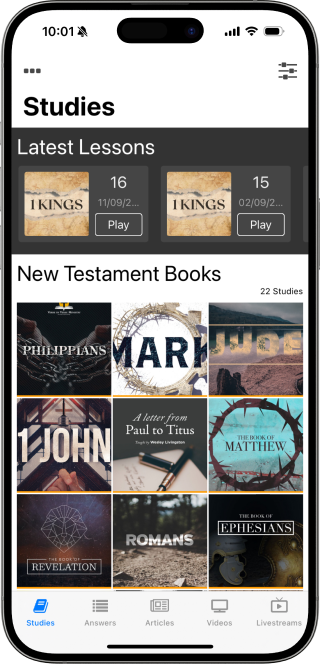
Access all of our teaching materials through our smartphone apps conveniently and quickly.