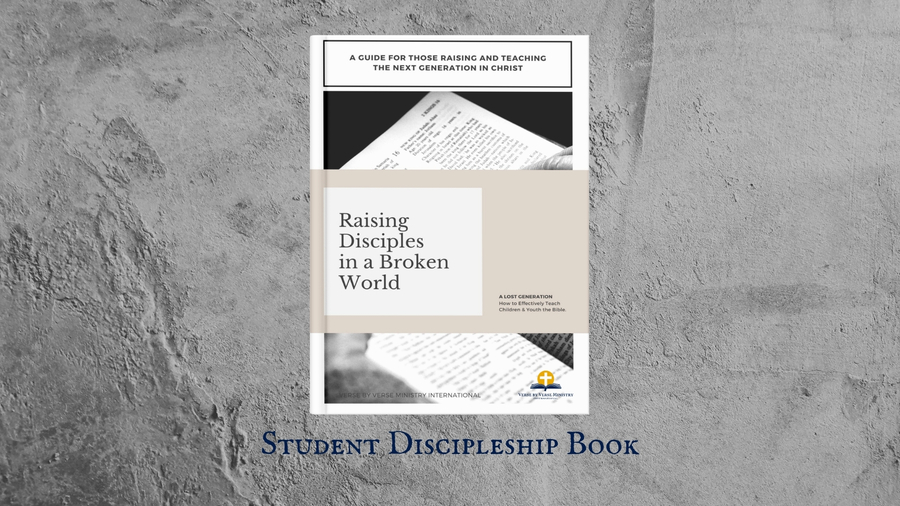
Biblical illiteracy is growing among both believers and unbelievers. Rather than simply teaching facts and history, we must equip the next generation with the truth of God's Word so they can know, live, and defend their faith.
In this practical guide, you'll discover your role in discipleship, common mistakes to avoid, the biblical model for making disciples, and practical tools you can use to disciple children and young believers effectively.
Download this free resource today and begin the journey of raising disciples in a broken world.
Designed as a companion resource to Pastor Armstrong's Romans teaching, this curriculum helps make deep biblical truths accessible to children and youth while maintaining a faithful, verse-by-verse approach to Scripture.
These materials have already been successfully taught in multiple churches, and we are excited to share this free resource with our audience as we continue equipping the next generation with God's Word.
Following along with the verse-by-verse method, the book of Romans can be accessible for those aged 5-16.
God's Letter of Truth
Paul's letter to the Romans is one of the most important books in the whole Bible. It's like a big classroom lesson from God about what we believe as Christians. Some people even call it a "theology book" - which just means it teaches us about God and His plan for people.
Long ago, Martin Luther, a famous church leader, said that every Christian should memorize Romans word-for-word. That shows us how important this book is! Even if we don't memorize it all, we can still learn so much from it.
The Big Idea
Romans shows us that God is holy, people are sinful, and Jesus is our Savior. By trusting in Jesus, we are made right with God and learn to live in a way that pleases Him.
What Romans Teaches Us
Some of the things this curriculum covers include:
Sin - How everyone is separated from God and needs His forgiveness.
Salvation - Jesus saves us when we believe in Him.
Grace - God's favor of love and forgiveness, not something we can earn.
Faith - The gift we receive to trust in Jesus and what He did for us on the cross.
Sanctification - How God changes us to live more like Jesus every day.
God's Plan for Israel - How His promises to His people are still true.
Election and Predestination - How God chooses and calls people to Himself.
Check out this summary graphic of all that we cover!
[[component name="resource_card" type="lesson_file" slug="romans-youth-romans-1-part-1-structure-summary" template="small_tile"]]
Why Romans Matters for Kids
Romans helps us understand why we need Jesus.
It shows us what God has done to save us.
It teaches us how to live as God's children in everyday life.
Simple Big Idea for Kids:
Romans is God's letter that explains the Good News - we are all sinners, but God gave us Jesus so we can be forgiven and live for Him!
How to Use our Curriculum
Each lesson comes with a teaching plan that lists a range of ways to explore the passage through step-by-step exposition, discussion questions, activities and more – all designed to reinforce a new "big idea" for each lesson.
Whether you're a new or experienced leader, we recommend starting with this guide to help you navigate the curriculum with confidence to faithfully teach God's Word in a way children can understand and enjoy.
Thank you for choosing this new resource to teach the next generation of believers!
[[component name="resource_card" type="lesson_file" slug="romans-youth-romans-1-part-1-how-to-guide" template="small_tile"]]
The Book of Ruth is often called a love story or a story of redemption—and while that’s true, it’s only the beginning. Ruth is the story of a woman in need of grace and a man willing to extend it. It’s also a quiet but powerful bridge from the chaos of Judges to God’s unfolding redemptive plan.
Even more, Ruth is a prophetic picture—an eschatological foreshadowing of God’s plan for Israel and the Church, revealing how Gentiles are graciously invited to share in Israel’s promises through redemption.
This workbook has been generously gifted to VBVMI by the The Women’s Group at Flat Creek Baptist Church in North Carolina. We are deeply grateful for their partnership and heart for God’s Word.
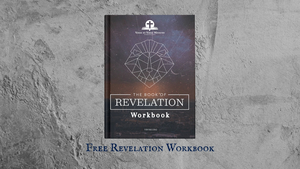
VBVMI is excited to partner with the gracious women of The Women’s Group at Flat Creek Baptist Church in North Carolina to release a brand-new Revelation Workbook, thoughtfully designed to complement Pastor Stephen Armstrong’s verse-by-verse teaching.
Created for both small-group discussion and personal study, this workbook offers guided questions, Scripture engagement, and space for reflection to help deepen understanding and encourage meaningful conversation.
Study Revelation—together or on your own—one verse at a time.
Why do we pray, and what’s the true purpose behind it? In this 6-part series, Pastor Greg Driver tackles some of the most common questions about prayer, including whether it changes God’s mind or our own.
Scripture tells us to “pray without ceasing” (1 Thessalonians 5:17), yet prayer is not merely a way to get what we want; it is the way God transforms us. As we pray, the Lord shapes our hearts to align with His will, reminding us that His desires are always better than our own.
Together, we’ll explore the biblical perspective on prayer and discover why it is essential to the Christian walk. See how talking with God transforms our lives and aligns us with His sovereign will.
Nowhere in the New Testament is the contrast between law and grace more beautifully displayed than in Paul’s short letter to Philemon. Under Roman law and even the Mosaic Law, Philemon had every legal right to punish his runaway slave, Onesimus, who had been considered property. Yet Paul appeals not to law but to grace, reminding Philemon that both he and Onesimus now stand equal before Christ.
Through the covenant of grace, the relationship between master and slave is transformed into one of brotherhood and fellowship in the body of Christ. What once was defined by hierarchy and obligation is now governed by love and mutual respect under the Lord Jesus.
The story points us to the transforming power of the gospel, that in Christ, social distinctions fade away, and reconciliation becomes possible even in the most unlikely relationships: between master and servant, employer and employee, parent and child, or any division among believers.
The image of wheat beautifully symbolizes this truth. Onesimus, once a laborer in the fields, becomes a picture of spiritual harvest, the fruit of grace that unites believers in love and service to one another. Join Pastor Greg in December 2025 as he guides us through Philemon.
Join Verse by Verse Ministry International for a powerful webinar series on the parables of Matthew 13. Pastor Wesley Livingston and Dr. Lance Hartsfield unpack the hidden spiritual truths Jesus revealed about the Church Age and God’s Kingdom plan. Each session features in-depth teaching followed by a live Q&A.
Part 1: The Parable of the Wheat and the Tares
This teaching reveals God's patience and long-term plan for judgment, as He allows both true believers and false ones to exist side by side until the harvest.
Part 2: Parable of the Mustard Seed
Pastor Wesley highlights that the Church, though it began small, has grown significantly. However, this growth sometimes allows for unwanted influences, symbolized by the birds under the mustard tree.
Part 3 - Parable of the Leaven
Leaven represents how false teachings subtly spread within the Church. Pastor Wesley reminds believers to stay vigilant and grounded in the truth of Scripture.
Part 4 - Parables of the Hidden Treasure and Costly Pearl
These twin parables reveal God's distinct plans for Israel and the Church.
Part 5 - Parable of the Dragnet
The parable of the dragnet illustrates the final judgment, where God separates the righteous from the wicked, gathering His true followers into eternal fellowship and casting the unrepentant into judgment.
Part 6 - Parable of the Householder
Explore the parable of the householder in Matthew 13:52 and learn how disciples wisely share both new and old truths from God’s Word.
The Bible does not specifically address addiction as a disease. We must always be careful not to allow the culture around us to redefine what Scripture clearly teaches. While the world may frame addiction strictly through a clinical lens, the Bible …
What are the souls or spirits doing in heaven right now?
The only experiences of the Heavenly throne room given to us are worship moments before the throne, which you can find in Isaiah 6 or Revelation 4-5, among others. These passages depict one aspect of life in Heaven, but we should not conclud…
When did the Israelites first become known as Jews?
The historical transformation of the Israelites into the broad term "Jew" was a complex process rooted strongly in cultural and linguistic developments. This shift, which unfolded over centuries, reflects both the political realities and the religio…
Websites store or retrieve information on your browser, mainly through cookies. Please review our Cookie Policy for information on the categories and specific cookies we use. Click 'Manage Preferences' to customize cookie settings. Blocking some cookies may affect your site experience and available services.
Functionality Cookies
These cookies remember your preferences such as your response to this banner and are required to use this website.
Analytics Cookies
These cookies enable us to measure and improve the performance of our Website or App.