Author
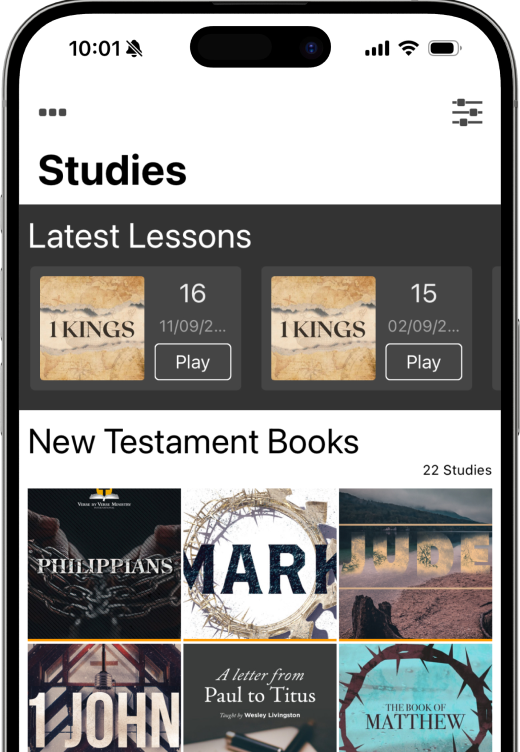
VBVMI StaffAccess all of our teaching materials through our smartphone apps conveniently and quickly.
Author
VBVMI Staff
In your article on different Bible translations, to which group would The Passion Translation belong?
In our review of The Passion Translation Bible, we found that it is not a valid translation of the Bible. Instead, our studies have determined that it is a poorly written paraphrase of the Bible.
Dr. Brian Simmons is part of the New Apostolic Reformation movement which profess present-day apostles, prophets, miracles, and supports women teaching men from the pulpit and sitting on the elder-board. The Passion Translation Bible is intended to “be a balanced translation that tries to hold both the essence of Scripture’s literal meaning and original message in proper tension, resulting in an expansive, fresh, fiery translation of God’s Word.,” as found on their website under Translation Philosophy. This philosophy altogether devalues the inerrancy of God's Word. Furthermore, there is nothing in the Word of God that needs expounding or a fresh translation as God proclaimed Himself through His scriptures:
In writing this book Dr. Simmons has attempted to translate Greek and Hebrew into English and has completely altered or changed the original linguistics of many verses throughout the Bible. In doing so the words he has added are part of a hyper-charismatic movement that has plagued the churches today. As many honorable Bible platforms still support Simmons' process of translating the Bible, we must assume this to be on the basis of impressionistic and a reader-responsive translations. Thus, there is no possible way in which a reader of this translation could ever know whether a given portion of scripture is relative and comparable to the original text. Dr. Simmons is responsible for adding words and removing words, while the alteration of theological principles are changed in order to support his personal beliefs. For example:
In addition to these imperative changes to the New Testament holy scriptures, Dr. Simmons has also rewritten Psalms, Proverbs, and Song of Songs. In doing so he has eliminated the poetic techniques of parallelism and juxtaposition in the Hebrew writings of these books. When a writer abandons the proper flow of Hebrew poetry and replaces it with shiny, heartwarming poems we are left at the mercy of the translator’s impression of the theological story each book holds.
The word "passion" is undoubtedly an extreme human emotion; defined as any powerful or compelling emotion or feeling, as love or hate. The idea that things are more real, more true, more valuable, when we feel them strongly is a product of Romanticism of the Western culture. The practice of encouraging emotional linguistic may seem to make God more real to the reader, however, God's word never needs (or needed) a more emotional twist. The emotions of a believer do not grow stronger; instead, by the grace of God our emotions become redirected to align with God's will. This process of redirection also entails learning to manage emotions and not be ruled by them:
The Passion Translation produces emotions from the translator’s personal response to the text while using them to shape the reader's perception of the text. It is clear that Dr. Simmons does not trust in the power of scripture to move the hearts of its readers without a good deal of outside assistance.
Therefore, the VBVMI Team has concluded that The Passion Translation of the Bible is not a translation of the Bible at all.
Scripture quotations taken from the (NASB®) New American Standard Bible®, Copyright © 1995, 2020 by The Lockman Foundation. Used by permission. All rights reserved. www.lockman.org
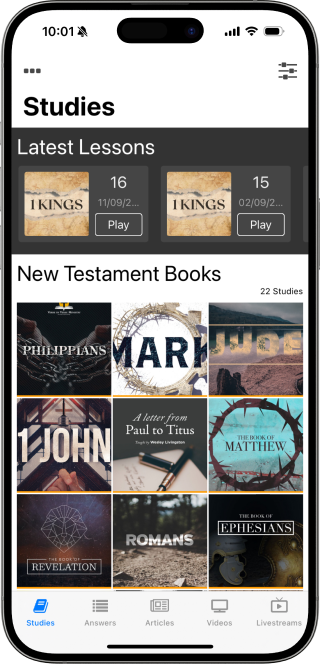
Access all of our teaching materials through our smartphone apps conveniently and quickly.

